
Wedding Ceremony Rehearsal: What to Practice Before Your Wedding Day
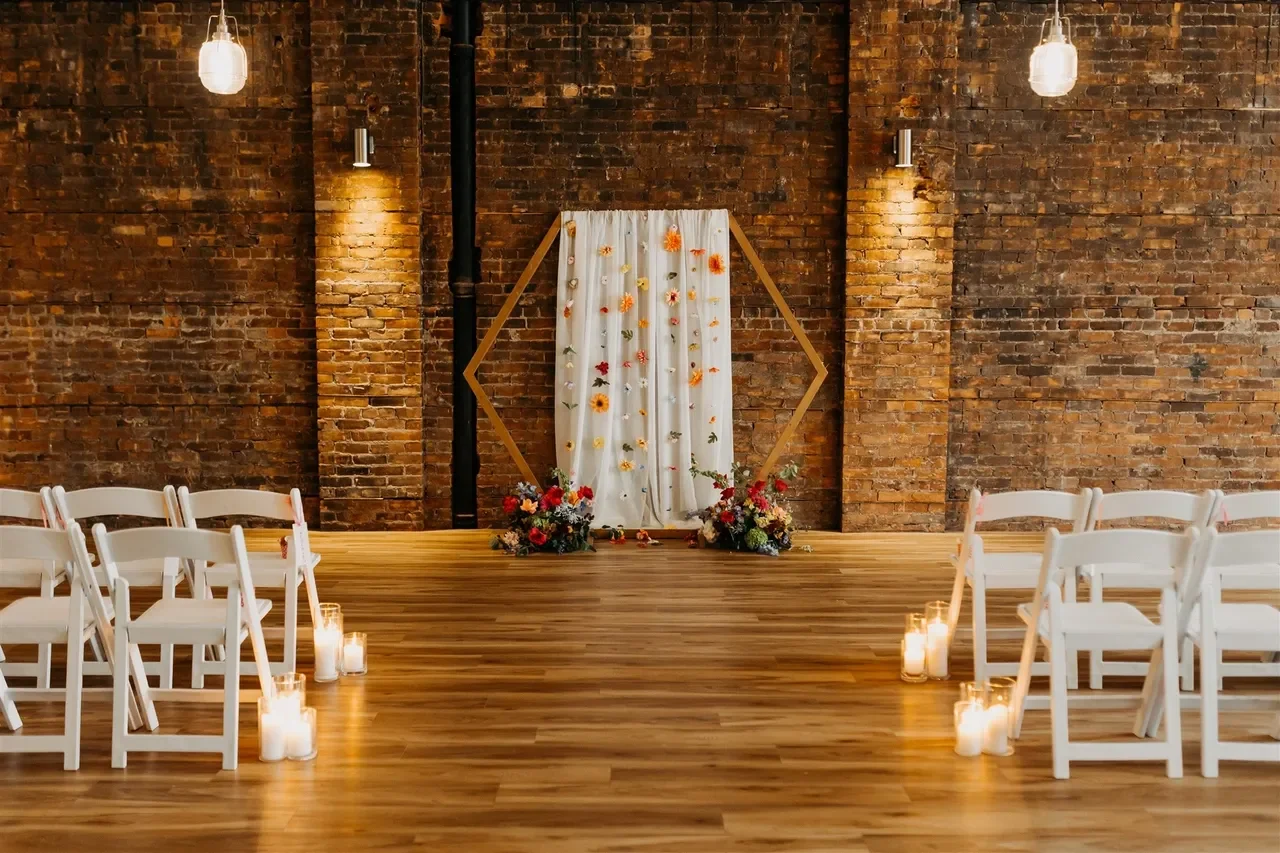
We can’t stress enough that a wedding ceremony rehearsal is one of the most important steps in preparing for a smooth and stress-free wedding day. Whether you're working with a wedding planner, day-of coordinator, venue coordinator, officiant, or a trusted family member, a rehearsal helps everyone understand their roles and feel confident before the ceremony begins.
A well-organized wedding ceremony rehearsal ensures that the wedding party knows where to stand, when to walk, and what to expect throughout the ceremony. By taking the time to practice key moments, you'll reduce nerves, avoid confusion, and create a seamless experience for both you and your guests.
What to review at a ceremony rehearsal
1. The Processional
The Order. Practice the exact walking order (grandparents, parents, attendees, flower/ring holder, and the couple).
The Hand-off. Practice how the person walking you down the aisle (if applicable), give a hug/kiss, and hands you off.
If your wedding party is planning to sit rather than stand go over which row(s) they will sit in.
2. Ceremony Positioning and Interactions
Where to Stand. Determine how you and your partner will stand (usually facing each other).
Adjustments. Practice having the best person (or someone else if no wedding party) step in to adjust a train or veil as soon as you reach the ceremony arch + hold your bouquet.
Special Elements. If you are incorporating a unity candle, sand ceremony, or handfasting, practice the movements and confirm where necessary items (like tables or matches) will be placed.
Rings. Practice who will hand the rings to each of you and how this hand off will happen. If you happen to be on a dock, we recommend that you have a rug under you just in case a ring gets dropped.
The Vows. Determine where your vow books will be and how to easily access them. Your officiant or clergy will provide with clear guidance during the ceremony on when these items will be required. Our favorite are DYI vow books with your handwriting in them.
Signing. Where will the signing table be, and who is responsible for putting it there? This should be in a location off to the side, not behind your wedding party. This may be a cocktail table to stand or a small table with one chair to sit for signing.
VIP Seating. Who will sit in the front row(s). We recommened that parents sit on the opposite side of where their child will stand so that they can see their faces rather than the back of the heads.
4. The Recessional (The Exit)
The Kiss. Practice the "You may seal your vows with a kiss" moment.
The Exit Walk: Practice walking down the aisle together as a couple. Emphasize smiling and walking briskly back up the aisle.
If you are incorporating a dip or a twirl in the middle of the aisle now is a good time to practice this with the shoes you will be wearing. This a good opportunity for your photography and videography team to take extra photos of you as newlyweds.
Post-Ceremony Flow: Make sure everyone knows where to go right after the exit, follow the lead of your coordinator/photographer.
How long is a wedding ceremony rehearsal?
One of the most common questions couples ask us is, "How long is a wedding rehearsal?"
Most of our wedding ceremony rehearsals are between 30 and 60 minutes, depending on the size of the wedding party and whether there are special ceremony elements involved. Large wedding parties, multiple entrances, cultural traditions, unity ceremonies or having participants arrive late may require additional time.
The goal of the rehearsal is not to go over the words of the ceremony, it's to ensure everyone understands where they need to be and when.
Who should attend the wedding rehearsal?
Ideally, the following people will attend:
The couple
Wedding party members
Parents participating in the processional
Flower and ring holders (if possible)
Wedding planner or coordinator / Venue Coordinator
Anyone with a special role during the ceremony
Having everyone present helps prevent last-minute questions and ensures a smoother wedding day experience.
Why is a wedding ceremony rehearsal important?
A wedding rehearsal allows everyone to become familiar with the ceremony space and timeline before guests arrive. It helps:
Reduce wedding day nerves
Clarify ceremony logistics
Confirm processional and recessional timing
Practice special ceremony traditions
Identify potential issues before the wedding day
Create confidence for the couple and wedding party
Even the most relaxed weddings benefit from a ceremony rehearsal.
Common wedding ceremony rehearsal mistakes to avoid
Not assigning someone to cue the processional (if you have a coordinator or planner this is their role)
Forgetting to practice the ring exchange handoff
Standing too close together, too far apart and too far in any direction at the arch
Not discussing where a bouquet may be placed during vows and signing
Rushing through special ceremony elements
Forgetting to review the post-ceremony photo plans with your photographer and wedding party
Not providing your wedding party with a copy of your ceremony and day-of timeline
A few extra minutes spent reviewing these details can prevent confusion on the wedding day.
Final thoughts
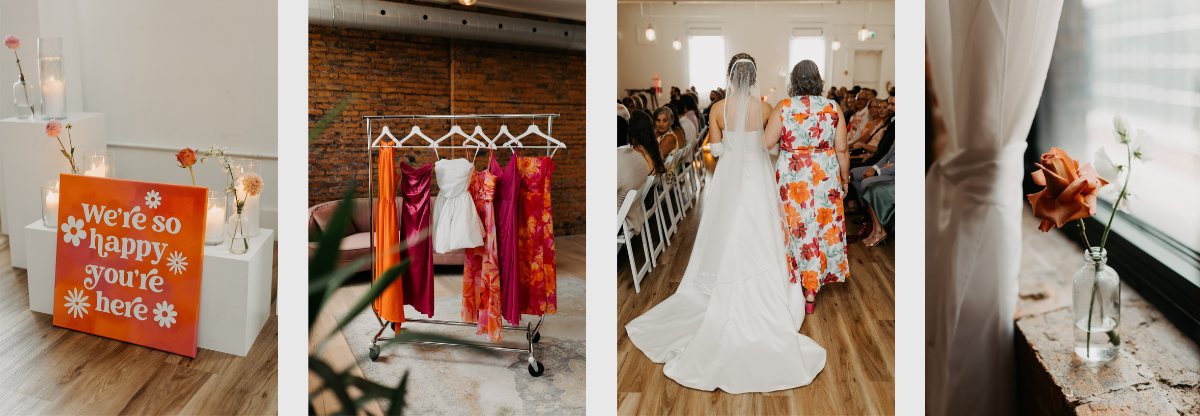
A wedding ceremony rehearsal isn't about perfection, it's about preparation. By practicing the processional, ceremony positioning, recessional, and key ceremony details, you'll help everyone feel comfortable and confident. The result is a smoother ceremony with fewer surprises, and more opportunity to focus on what truly matters: celebrating your marriage with the people you love.
Do you need a wedding ceremony rehearsal? – Yes, if you can practice the ceremony this is great. It does not have to be at your venue it can be in a backyard, city park or other locations.
Who leads a wedding rehearsal? – Your day-of coordinator, venue coordinator or a family friend. If you are planning to be married in a religious building your clergy may take the lead.
Can you have a wedding without a rehearsal? – Yes, but if you have a wedding party or anyone else walking down the aisle at any point then we do recommended.
When should a wedding rehearsal take place? - The night before your wedding, just before a rehearsal dinner is ideal. We recommend 5pm or later to give everyone time to arrive, check-in and get settled before heading out for the festivities.
Do we need to have a rehearsal dinner? - No, but if you decide to host one we’ve taken the liberty of listing some of our favorite places for group dinners below.
Where to host a wedding rehearsal dinner in Kingston
Kingston is especially busy during the summer and fall wedding seasons, so we recommend securing your rehearsal dinner venue as early as possible. While the city is home to countless restaurants, pubs, and waterfront dining options, many are not equipped to accommodate larger groups of 20 or more guests. To help simplify your planning, we've compiled a list of Kingston restaurants and venues that can comfortably host rehearsal dinners and welcome larger parties. Booking early not only gives you more options, but also helps ensure your wedding weekend schedule comes together seamlessly.
If you have experience an exceptional rehearsal dinner in Kingston and would like us to add them to our list please reach out and let us know, we would love to hear about your experience.
While it is not always possible or necessary to have your officiant present at your wedding rehersal we hope that this information helps to prepare you for your wedding ceremony.
Images by: Amos Photography