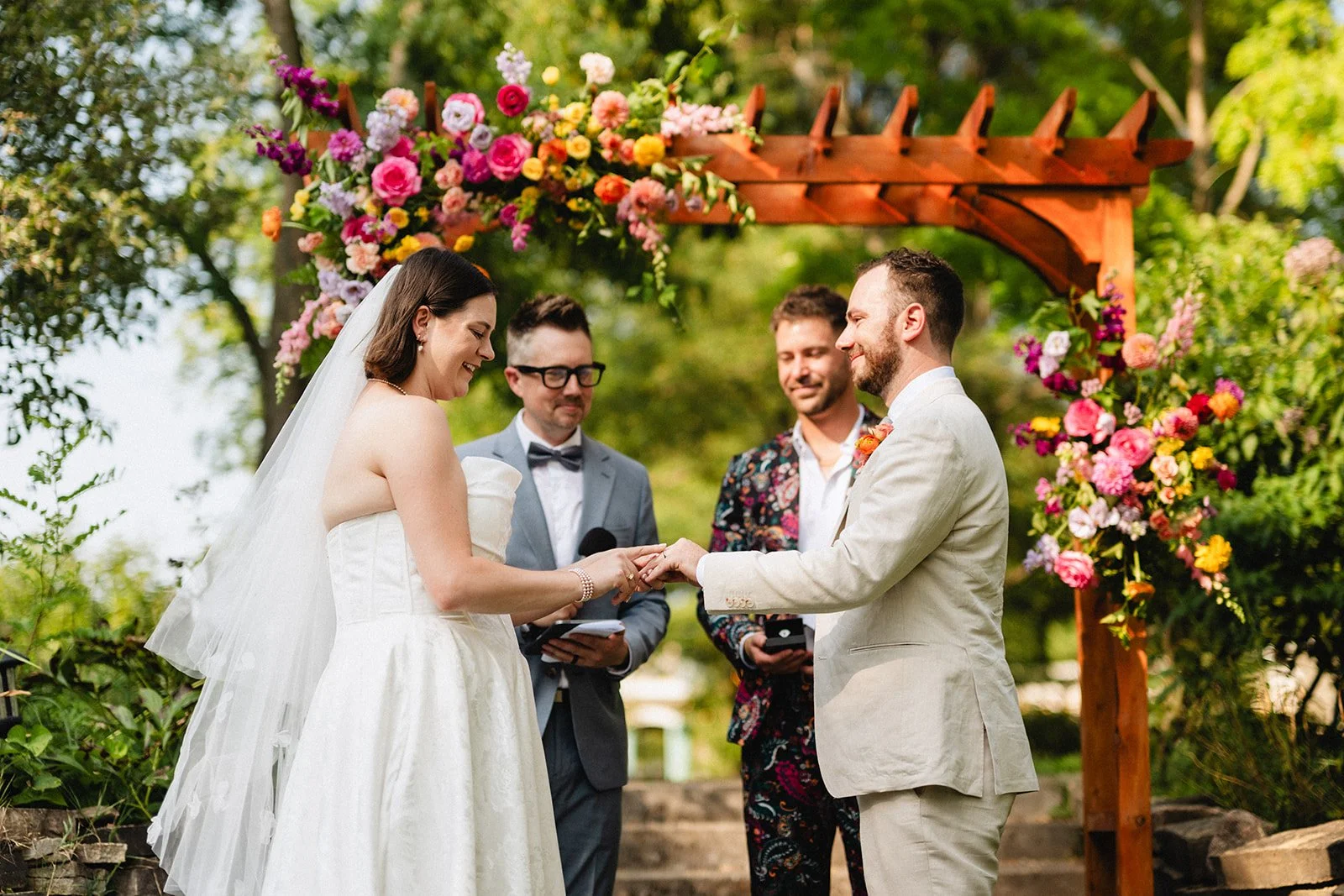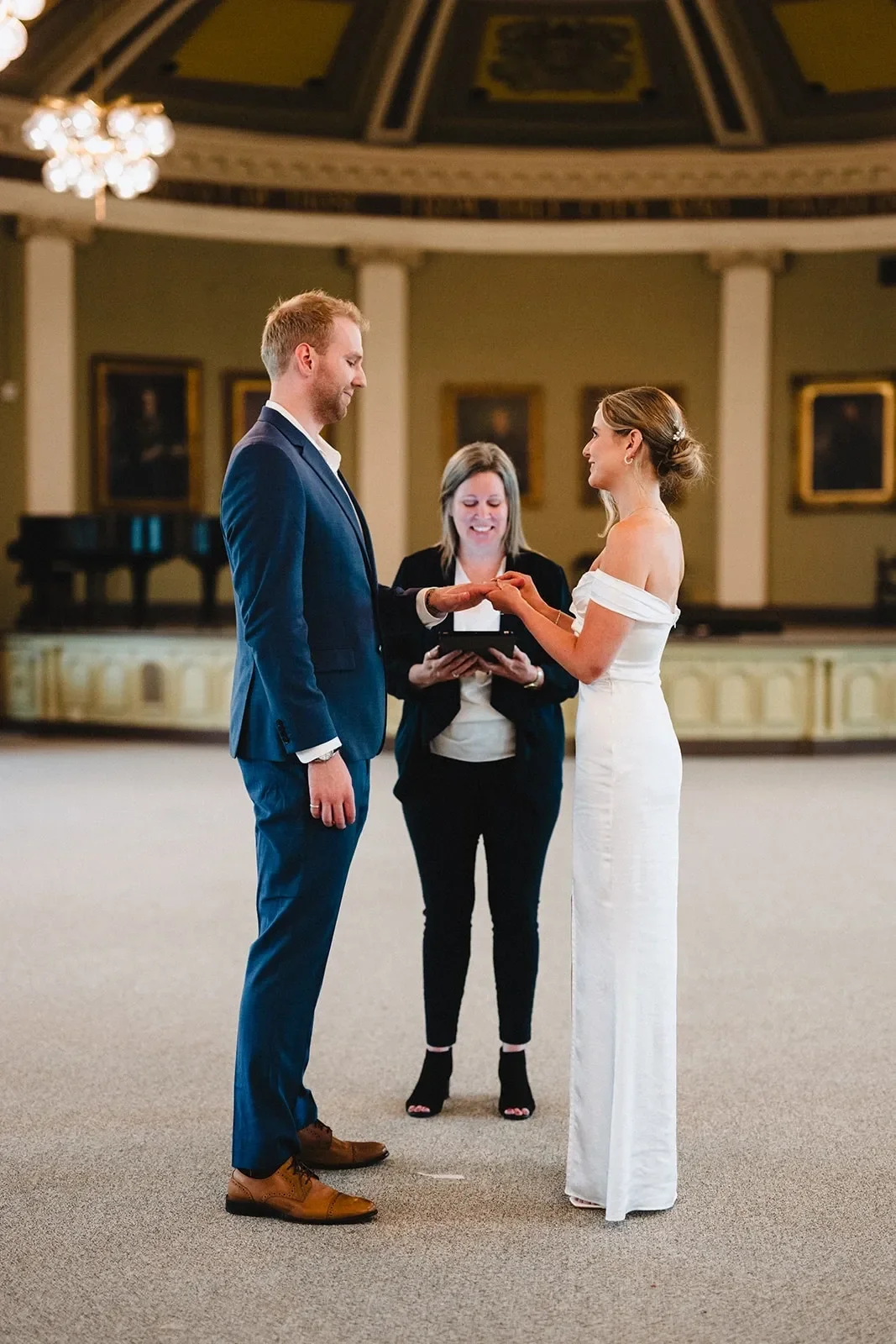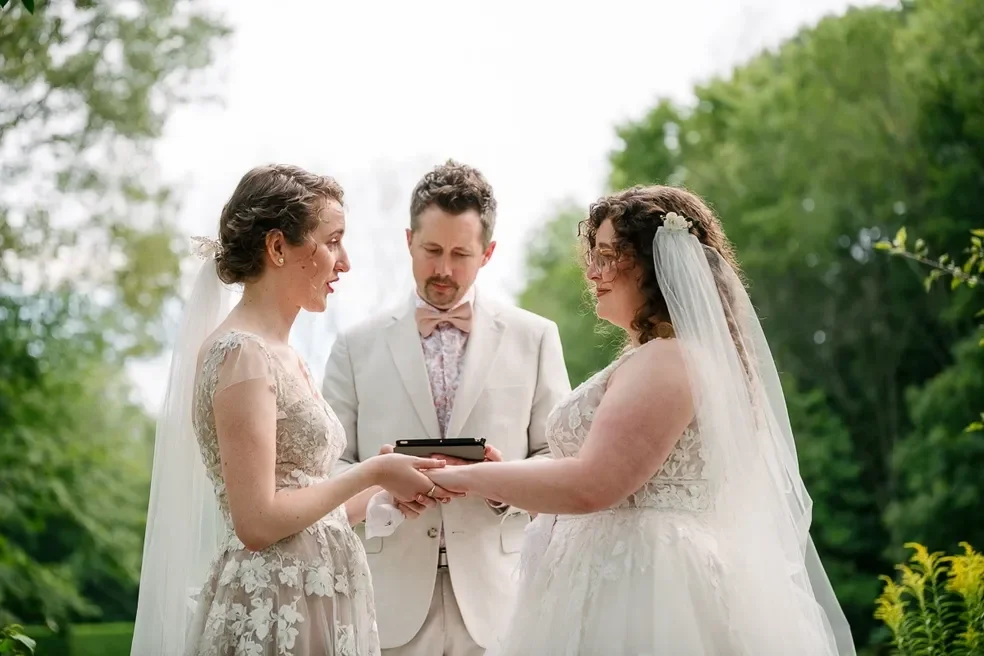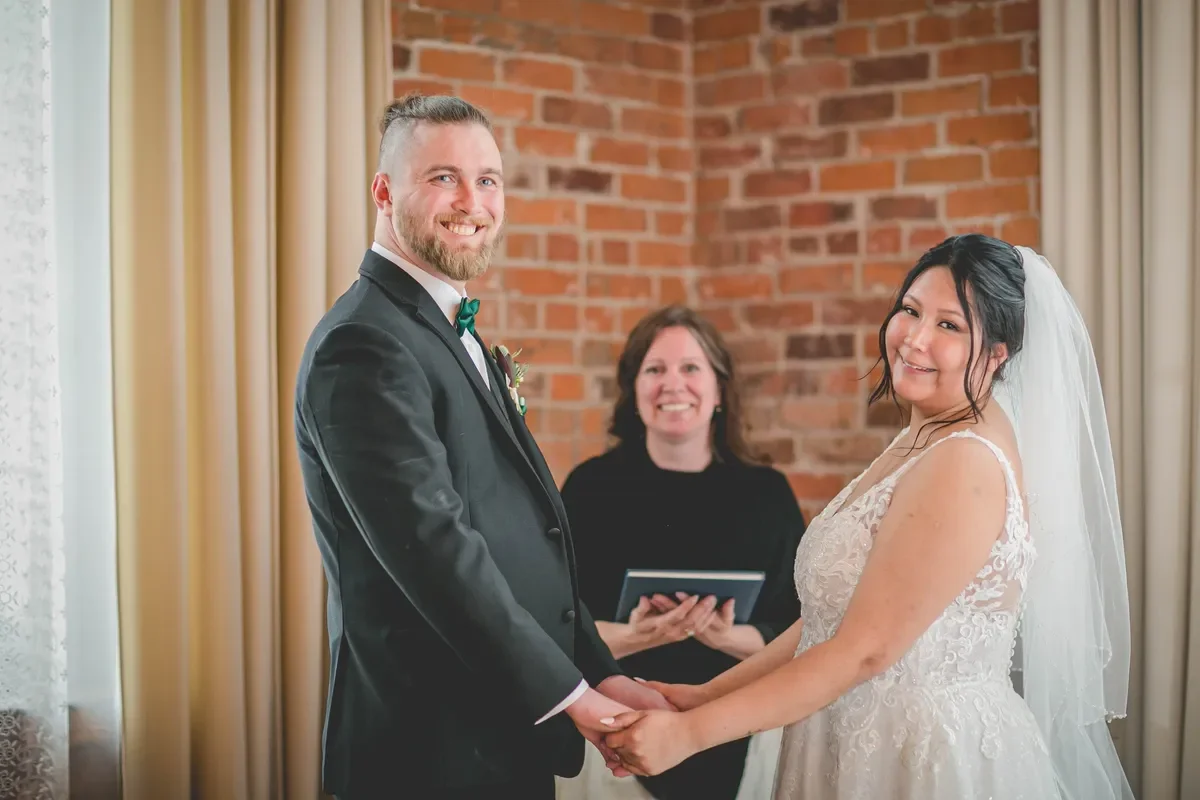
What Happens After Your Wedding Ceremony? A Wedding Planner's Checklist
You've exchanged your vows, shared your first kiss as a married couple, and made your way back down the aisle. Congratulations, you're married!
But what happens next?
While the ceremony may be over, there are still plenty of moving pieces to consider before your wedding reception begins. From signing your marriage licence to family photographs, cocktail hour, and transitioning your ceremony space, those first moments after saying "I do" can be surprisingly busy.
As wedding planners we've seen firsthand how a thoughtfully planned post-ceremony timeline can make all the difference. Here's what we recommend considering when planning those first moments as newlyweds.
1. Take a Moment Together
Before the celebrations continue, consider scheduling a few minutes to be alone together.
Your wedding day will move quickly, and the moments immediately following your ceremony are often filled with congratulations, hugs, photographs, and excitement. Whether you sneak away for a private toast, exchange a few words, or simply take in the fact that you're officially married, these moments can become some of your favourite memories.
Our wedding planning tip: Build 10–15 minutes into your timeline for a private moment together. Your photographer can capture a few candid photographs before giving you some space to enjoy being newlyweds.
2. Sign Your Marriage Licence
In Ontario, your marriage ceremony includes an important legal component: signing your marriage licence.
Your wedding officiant will guide you and your two witnesses through the signing process, ensuring the required documentation is completed. Once everything is signed, your officiant is responsible for submitting the completed marriage licence to the appropriate provincial office for registration. While this part of the day is typically straightforward, it's important to account for it in your wedding timeline.
Our wedding planning tip: Decide in advance where the signing will take place. A table just off to the side makes the process easier and provides an opportunity for photographs if you wish.
For more information about marriage documentation and what happens after your ceremony, visit The MacArthur Collection, our dedicated wedding officiating brand.
3. Plan Your Family Photographs
Family photographs are often one of the first activities following the ceremony.
Without a plan, gathering family members can quickly become time-consuming, particularly when guests have already made their way to cocktails.
We recommend working with your photographer to create a family photograph list before your wedding day.
Keep the list focused on the combinations that matter most to you, and consider assigning someone who knows your family to help gather everyone.
Our wedding planning tip: Whenever possible, have family members remain near the ceremony location immediately following the recessional. This minimizes the time spent searching for them.
4. Transition Into Cocktails (which are almost always more than an hour)
While you're enjoying photographs or a few private moments together, your guests will typically transition into cocktail hour. This is where thoughtful wedding planning becomes particularly important.
Your guests should know where to go, refreshments should be ready, and any necessary transitions between spaces should happen seamlessly.
Depending on your venue and wedding design, your planning team may also be coordinating, guest movement between ceremony and reception spaces, the transition of decorative elements, transportation between venues and adjustments to the timeline if the ceremony runs longer than anticipated.
A well-planned cocktail time keeps guests comfortable and entertained while allowing you to enjoy your photographs without feeling rushed.
5. Repurpose Your Ceremony Decor
One of our favourite ways to make the most of your wedding design is to thoughtfully repurpose ceremony decor.
Large floral arrangements, candles, signage, and other decorative elements may be suitable for use elsewhere during your reception. For example, ceremony arrangements might be moved to frame your sweetheart table, enhance a welcome display, or complement another focal point. However, not every decorative element can or should be moved.
Your florist, venue, and wedding planning team should discuss these details well before the wedding day to determine what's practical, safe, and appropriate.
Our wedding planning tip: Never assume that a vendor will relocate decor unless it has been discussed and included in their responsibilities. These transitions require time, staffing, and coordination.
6. Build Flexibility Into Your Wedding Timeline
One of the biggest mistakes couples make is scheduling every moment of their wedding day without allowing room for the unexpected.
Ceremonies occasionally begin late. Family photographs can take longer than anticipated. Guests may need additional time to move between locations. And sometimes, you'll simply want another five minutes together. A thoughtful wedding timeline accounts for these possibilities.
At Bowtied With Love Weddings & Events, we work closely with couples and their wedding professionals to create realistic timelines that balance logistics with the experience of the day. Our goal isn't to fill every minute. It's to ensure you have the freedom to enjoy them.
7. Understand What Happens After the Ceremony From a Legal Perspective
While your wedding planning team manages the flow of your celebration, your wedding officiant has a separate set of responsibilities following your marriage ceremony.
In Ontario, getting married and receiving your official marriage certificate are two different steps. Your officiant submits the completed marriage licence for registration, but your official marriage certificate is not automatically issued following your ceremony. Couples who require a marriage certificate will need to order one through ServiceOntario once their marriage has been registered. This is particularly important for couples planning a name change, updating legal documentation, or requiring proof of marriage for other purposes.
Looking for a Post-Ceremony Legal Checklist?
Our sister company, The MacArthur Collection, specializes in personalized wedding ceremonies throughout Kingston, Prince Edward County, the Thousand Islands, Toronto, and across Ontario.
There's a lot happening behind the scenes between your ceremony and reception, but that doesn't mean you should be the one managing it. With the right wedding professionals, a thoughtful timeline, and a clear plan for the transition between events, you can focus on what matters most: celebrating your marriage.